
Dustproof big bags: sealing levels and seam types
The seams are the weak point of any woven bag. Sealing strips sewn into the seams, an inliner or a second bag stop even fine powders from sifting out. We have an optimal sealing solution for every material.

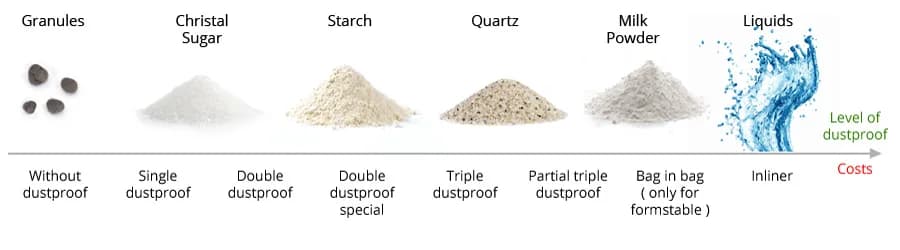
From plain seams for granules to three sealing strips for milk powder, an inliner or a bag-in-bag: choose the dustproof level and seam type your product needs.
A dustproof (sift-proof) big bag is sewn with sealing strips inside the seams so that fine product cannot escape through the needle holes. DIV Trades offers four construction levels: no sealing for granules, one sealing strip for crystal sugar, two strips for flour, quartz sand and most powders, and three strips for milk powder, calcium carbonate, starch and bags filled under pressure. For the finest or liquid products an inliner or a bag-in-bag goes further still.
Which level you need depends on the material. If you have no experience with big bags, our sales team proposes the degree of dustproofing that has proved adequate in practice for your type of product. Sealing is normally combined with coated fabric, since the coating closes the weave while the strips close the seams.
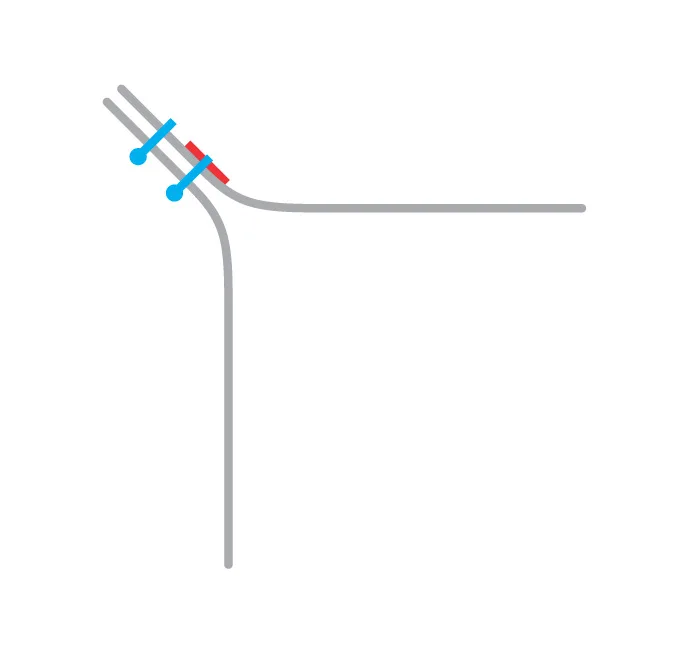
Where the sealing strips are placed
- On all seams of the bag,
- along the height of the bag, on the bottom and on the outlet spout,
- only on the bottom and the outlet spout, or
- only on the baffles of uncoated Q-bags.
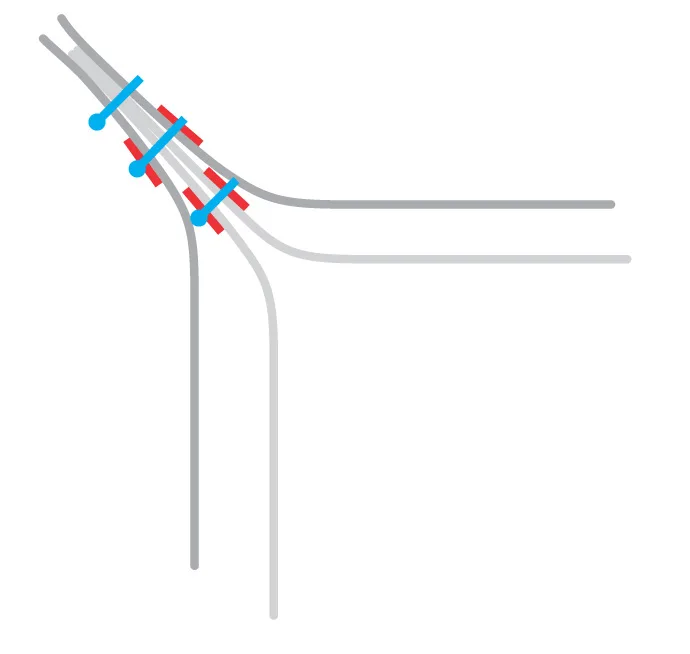
Limiting the strips to the critical seams, usually the bottom and the outlet, is a common way to save cost where the side seams are not under pressure.
Dustproof levels compared

No sealing
The bag is sewn with thread only. Suitable for granular products such as cereal grains, recycled plastics, pellets, briquettes and granules. A very wide range of goods can be packed without sealing strips.
- Lowest price
- Fastest to produce
- Fine fractions can sift through the needle holes
One sealing strip
One strip of fabric is sewn into the seam. Used for crystal sugar and granules; it is the construction of our coated stock big bags.
- Good protection for crystalline and granular products at low extra cost
- Not sufficient for fine powders

Two sealing strips
Two sealing strips in the seam. The most common dustproof construction, used for flour, processed cereals, quartz sand and many other powders.
- The standard sift-proof seam for most powders
- Proven in the food and mineral industries
- Not enough for very fine or pressure-filled products

Three sealing strips
Two sealing strips plus a third strip placed between the layers of fabric. Used for milk powder, calcium carbonate, dust, chalk, starch and whenever the bag is filled under high pressure. The third strip can go on all seams or only on critical seams such as the bottom and outlet to save cost.
- Highest sift-proof level without an inliner
- Withstands pressure filling
- Higher cost and slower sewing

Big bag with inliner
A polyethylene liner inside the bag gives the best dustproof protection. Inliners are used for very fine powders and for liquids such as liquid lime or water. Several liner types and attachment methods are described on the big bags with inliner page.
- Best possible barrier, also for liquids
- Keeps the product away from the woven fabric
- Extra component and handling at filling
Bag in bag
A Q-bag inside a standard big bag. It reaches a dustproof level similar to a lined bag while keeping the square shape of a formstable Q-bag, without the cost of a formstable Q-liner.
- Near-liner dustproofing with a Q-bag shape
- Cheaper than a Q-liner
- Two bags of fabric
Dustproof Q-bags
Q-bags differ from standard bags by the baffles sewn into the corners. The baffle seams can be made without a sealing strip or with one, two or three strips, so the whole bag reaches the same dustproof level.
Seam variants
Several stitch types are available. The seam type for each bag is decided during production according to the capacity of the bag.

Single chain stitch
One row of chain stitch. The basic seam for lighter bags.

Double chain stitch
Two parallel rows of chain stitch for higher seam strength.
Overlock (Heracles)
An overlock stitch that wraps around the fabric edge and prevents fraying.

Overlock with chain stitch (safety stitch)
Overlock plus a chain stitch in one seam, the strongest combination, used for higher capacities.

Match the sealing to the finest fraction
Judge the dustproof level by the finest particles in your product, not the average grain. A granulate with a few percent of fines may still need sealed seams.
What is a dustproof or sift-proof big bag?
A FIBC whose seams are sewn with one or more fabric sealing strips, usually on coated fabric, so that fine product cannot escape through the needle holes of the seams.
How many sealing strips does flour need?
Two sealing strips, the most common construction. Milk powder, starch, chalk and calcium carbonate need three strips; crystal sugar is fine with one.
Do I need sealing strips for granules or pellets?
Usually not. Cereal grains, pellets, briquettes and recycled granulate are packed in bags sewn with thread only.
Can I seal only the bottom seam to save money?
Yes. The strips can be limited to the bottom and outlet spout, where pressure is highest, or the third strip can be added only on those critical seams.
When should I use an inliner instead of sealing strips?
For very fine powders, hygroscopic products and liquids. An inliner is a complete barrier, while sealing strips only close the seams.
Which sealing level does your product need?
Send us the product name and grain size and we will propose the sealing construction that has proved itself for that material.
Request a quote